How to Know If Your Office Cleaner Is Actually Doing the Job
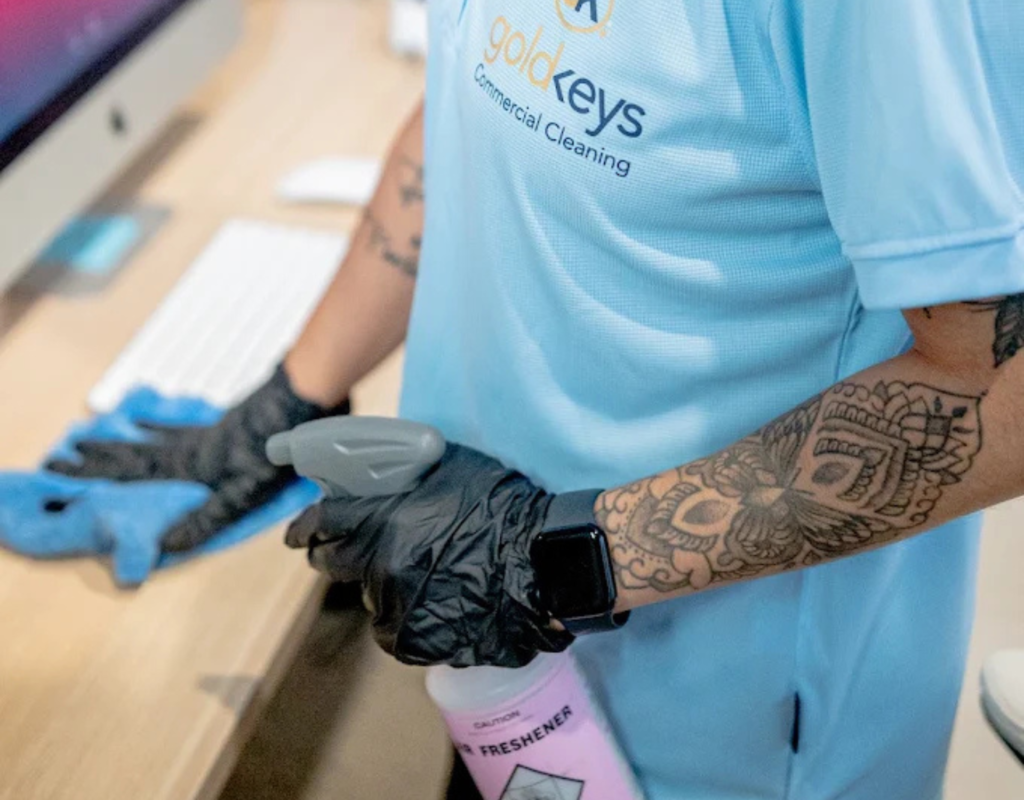
Most office cleaning complaints don’t start with a dirty desk. They start with a question nobody can answer: was this actually cleaned today? By the time a facility manager notices a problem — a bathroom that’s clearly been skipped, a kitchen bin that’s overflowed for two days — the contract has usually already been running on trust alone for months. That trust isn’t unreasonable. Most cleaning happens outside business hours, in a space nobody is watching. The provider says the job is done, and unless something visibly goes wrong, there’s no reason to think otherwise. The problem is that “no reason to think otherwise” is doing a lot of work in that sentence. The five signs a contract is running on trust alone 1. You’ve never seen proof of a specific visit If your only record of a clean is an invoice at the end of the month, you have no way to confirm what happened on any individual day. A missed Tuesday looks identical to a completed one from the accounts payable side of the business. 2. Complaints take longer to resolve than they should When there’s no record of what was or wasn’t done, every complaint becomes a “he said, she said” conversation. Providers without documentation tend to default to defending their team, because they genuinely can’t verify the claim either way. 3. Standards drift slowly, not suddenly Cleaning quality rarely collapses overnight. It erodes gradually — a shortcut here, a skipped area there — until eight months in, the service looks nothing like what was scoped at the start. Without a documented baseline, that drift is almost invisible until it’s significant. 4. You’re locked into a contract regardless If the provider knows you can’t leave without penalty, the operational incentive to maintain the original standard weakens. This isn’t necessarily bad faith — it’s just how incentives work. Month-to-month arrangements keep the pressure where it belongs. 5. Escalation goes through a call centre, not a person Large providers often route issues through a ticketing system before they reach anyone with the authority to fix it on-site. That delay compounds every other problem on this list. The fix isn’t more inspections from your side. It’s documentation from theirs — verified on every visit, not just when something goes wrong. What documentation actually looks like, done properly At Gold Keys, every visit runs through Connecteam — a platform that requires the attending cleaner to work through a site-specific checklist, timestamp completion, and attach photos before the job is marked done. That record lands with the client automatically, not on request. This changes the dynamic in three concrete ways: What to ask a provider before you sign If you’re evaluating a new commercial cleaning contract, three questions will tell you almost everything you need to know: A provider with a genuine answer to all three has probably built accountability into how they operate, not just how they market. A provider who can’t answer clearly is asking you to take the same leap of faith you may already be regretting.
Childcare Cleaning Standards: What Directors Need to Know

Childcare directors carry a kind of responsibility most office managers never have to think about: the people using the space every day can’t advocate for themselves. Hygiene isn’t a comfort issue in early-childhood settings — it’s a compliance and safety issue, with consequences that reach beyond a bad review. And yet cleaning contracts for childcare centres are often written using the same generic scope as an office contract, with a few extra line items bolted on. That gap between what’s written and what’s actually required is where problems start. Why childcare cleaning isn’t office cleaning with extra steps Three factors make early-childhood environments fundamentally different from a standard commercial space: What a properly scoped childcare cleaning contract includes Chemical-safe, centre-appropriate products This should be specified by name in the contract, not described vaguely as “safe products.” Ask which products are used, and whether the provider can supply safety data sheets on request. High-touch surface and toy-area sanitisation Toy bins, mats, low shelving and door handles need a sanitisation pass distinct from general surface wiping — and ideally, more frequent than a once-a-week deep clean. Bathroom and nappy-change hygiene protocols Nappy-change areas carry a different risk profile from a standard staff bathroom and should be treated — and documented — as a distinct checklist item, not folded into general bathroom servicing. Scheduling that respects operating hours Cleaning around active centre hours introduces both a safety consideration (chemicals and equipment around children) and a disruption cost. A provider experienced in childcare settings will default to after-hours or before-opening scheduling without needing to be told. The question isn’t whether a provider says they clean childcare centres. It’s whether their process changes because it’s a childcare centre. Questions worth asking before you sign A provider who can answer these without hesitation has likely built real childcare experience into their operating procedures — not just their sales copy. How Gold Keys approaches childcare sites Every Gold Keys childcare contract is scoped around the specific centre’s licensing and hygiene requirements, using chemical-safe products selected for early-childhood environments. Visits are documented the same way as every other site — checklist, timestamp, photo — which matters even more here, because it gives directors a defensible record if a hygiene standard is ever questioned externally.
Why No Lock-In Contracts Change the Cleaning Industry
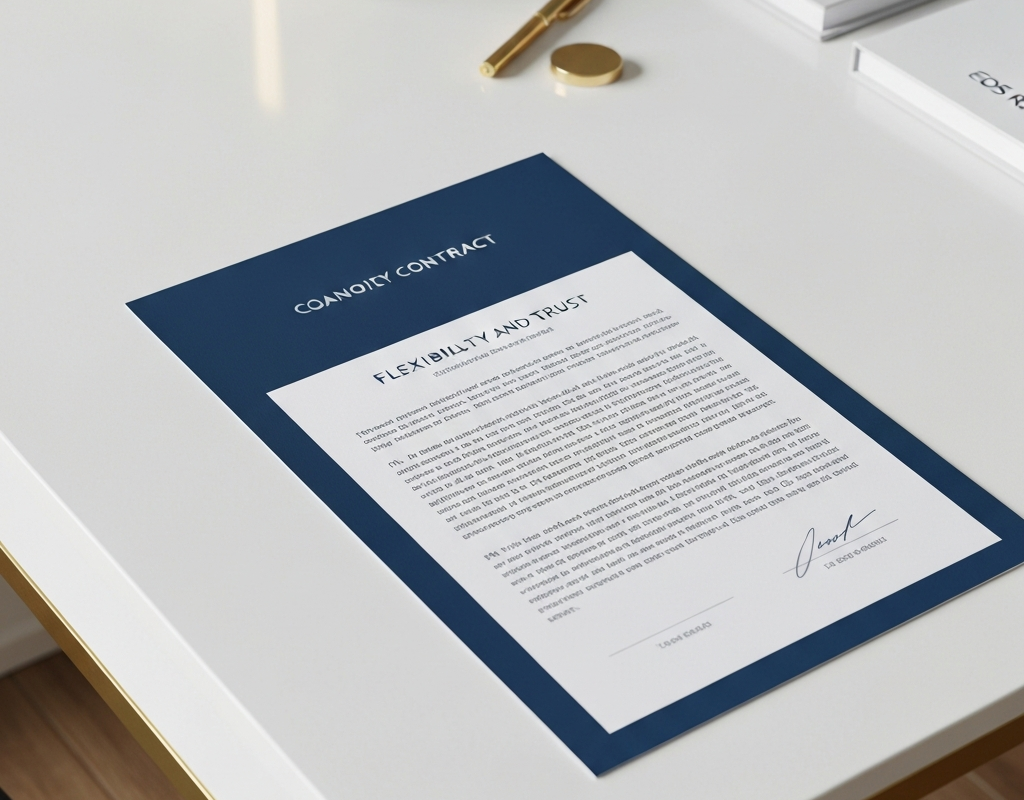
Commercial cleaning contracts have historically favoured the provider, not the client. A 12- or 24-month term, an early-exit penalty, and a service standard that’s only really tested once — during the initial pitch. After that, the incentive to keep improving weakens considerably, because the client’s ability to leave has been removed from the equation. This isn’t a controversial observation inside the industry. It’s largely why lock-in contracts became standard in the first place: they protect provider revenue against client churn. The question worth asking is what that protection actually costs the client in service quality over time. What a lock-in contract removes from the relationship Every ongoing service relationship runs on some combination of trust and leverage. Trust is built through consistent, verifiable delivery. Leverage is the client’s ability to walk away if that delivery slips. Lock-in contracts remove leverage almost entirely for the length of the term — which means the entire relationship has to run on trust alone, often before any has actually been established. A provider who has to re-earn your business every month has a very different relationship with quality control than one who’s already been paid regardless. The three ways month-to-month changes provider behaviour 1. Quality control becomes continuous, not periodic When a client can leave with 30 days’ notice, standard drift becomes an existential risk rather than an inconvenience. Providers operating month-to-month tend to build internal monitoring — like documented visit records — because they can’t afford not to notice a problem before the client does. 2. Complaints get resolved faster A provider under a long-term lock-in has less urgency to resolve an issue quickly, because the client isn’t going anywhere regardless. Under a month-to-month arrangement, unresolved complaints have a direct and immediate commercial consequence. 3. Pricing tends to reflect actual value, not captured value Locked-in clients are sometimes subject to price increases they have no real ability to negotiate against, precisely because leaving isn’t an option. Month-to-month pricing has to stay competitive on an ongoing basis, not just at the point of signing. Why more providers don’t offer it The honest answer is revenue predictability. Lock-in contracts make forecasting easier and reduce the operational discipline required to retain a client, because retention is guaranteed contractually rather than earned through service. Offering month-to-month terms means accepting more revenue volatility in exchange for building a business that has to consistently perform. That trade-off is exactly why Gold Keys operates this way. Every client agreement runs month to month, which means the documented visit records aren’t just a nice-to-have — they’re the mechanism that keeps the business accountable to a standard nobody is contractually forced to accept. What to look for if you’re evaluating a new provider There’s nothing inherently wrong with a longer-term agreement if the service consistently earns it. The risk is signing one before you have any evidence that it will.
Gym Hygiene Beyond the Basics: What Members Actually Notice

Ask most gym owners what their cleaning contract covers and you’ll get an answer built around floors and bathrooms — the same scope you’d write for an office. The problem is that a gym generates a hygiene load an office simply doesn’t: shared equipment touched by dozens of sweating hands an hour, rubber flooring that traps odour differently to carpet or tile, and change rooms used at a intensity level most commercial cleaning schedules were never designed around. Members notice the gap even when they can’t articulate it. It shows up as “this place feels a bit grimy” rather than a specific complaint — which makes it hard to fix reactively, because there’s no single incident to respond to. Where standard schedules fall short Equipment surfaces get missed between sessions Wiping down machines once a day, after close, misses the accumulation that happens across a full day of back-to-back use. High-traffic equipment — benches, cardio machines, free-weight racks — needs a servicing rhythm that reflects actual usage, not a fixed once-daily pass. Rubber flooring needs different care than standard flooring Rubber gym flooring absorbs odour and sweat differently to tile or carpet, and generic mopping products can actually degrade the surface over time. It needs cleaning products and techniques suited specifically to the material. Change rooms are treated like standard bathrooms Locker rooms and showers see far more moisture, humidity and direct skin contact than a typical office bathroom, which changes both the mould/mildew risk and the required servicing frequency. Mirrors and glass get deprioritised In a space built around visual feedback — members checking form in the mirror — smudged glass undercuts the professional feel of the whole facility, disproportionately to how minor the issue seems on a checklist. Members can’t diagnose a cleaning schedule that’s wrong for the space. They just decide, gradually, that the place doesn’t feel as well-kept as it should. What a gym-appropriate cleaning scope includes Questions to ask a provider A provider with real fitness-facility experience will have specific, confident answers to all three — because the operational differences aren’t subtle once you’ve actually run a gym cleaning contract. How Gold Keys scopes gym contracts Gold Keys builds gym cleaning schedules around actual member traffic patterns rather than a fixed daily template, with product selection matched to rubber and specialty flooring. Every visit is still documented the same way as any other site — but for gyms, that documentation often matters most around change room and equipment servicing, where members are least likely to see the work directly but most likely to notice if it’s missing.