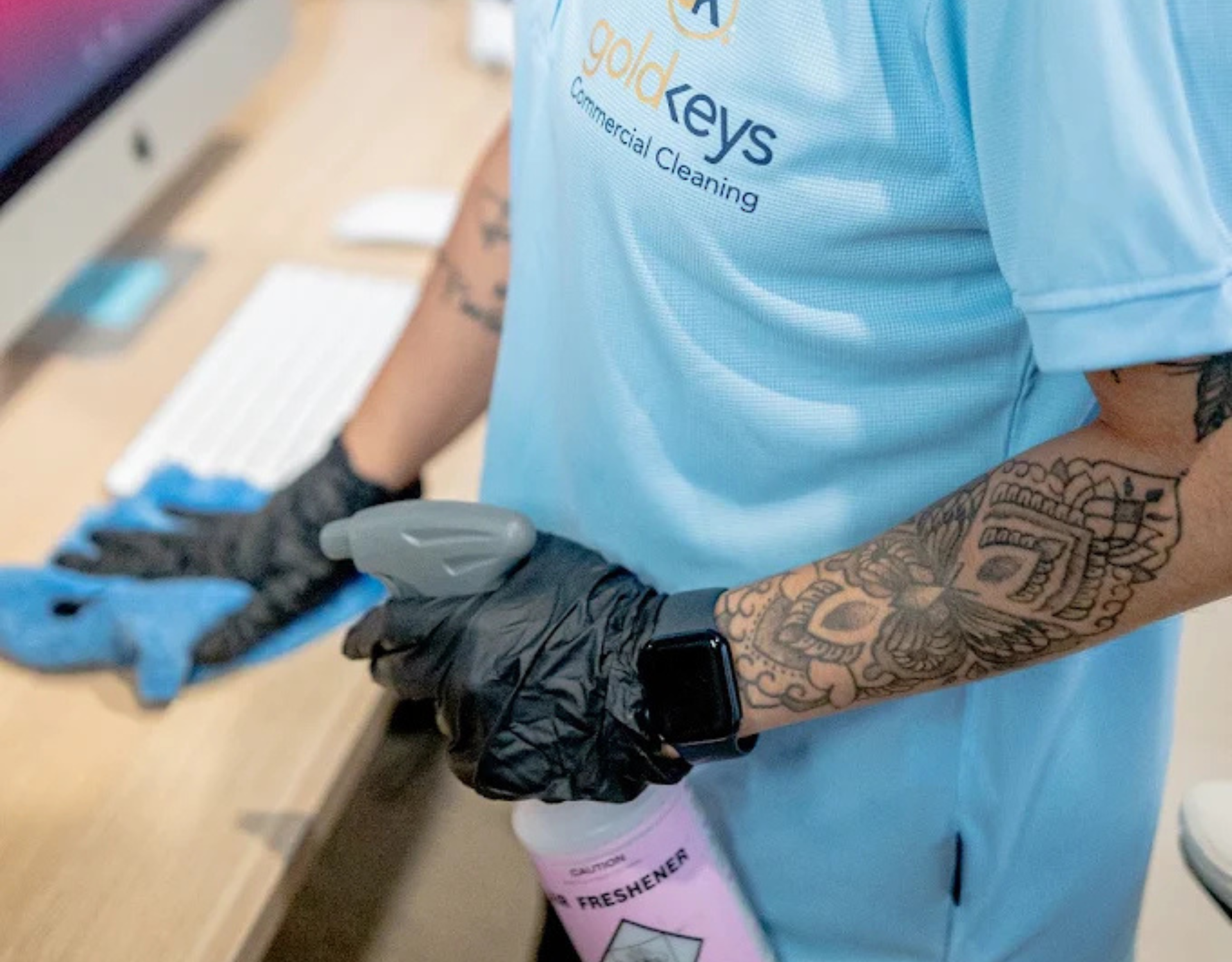
Hiring an office cleaner should take a task off your plate, not add a new one to check. Most office cleaning complaints don’t start with a dirty desk. They start with a question nobody can answer: was this actually cleaned today? By the time a facility manager notices a problem — a bathroom that’s clearly been skipped, a kitchen bin that’s overflowed for two days — the contract has usually already been running on trust alone for months.
That trust isn’t unreasonable. Most cleaning happens outside business hours, in a space nobody is watching. The provider says the job is done, and unless something visibly goes wrong, there’s no reason to think otherwise. The problem is that “no reason to think otherwise” is doing a lot of work in that sentence.
The five signs your office cleaner is running on trust alone
1. You’ve never seen proof of a specific visit
If your only record of a clean is an invoice at the end of the month, you have no way to confirm what happened on any individual day. A missed Tuesday looks identical to a completed one from the accounts payable side of the business.
2. Complaints take longer to resolve than they should
When there’s no record of what was or wasn’t done, every complaint becomes a “he said, she said” conversation. Providers without documentation tend to default to defending their team, because they genuinely can’t verify the claim either way.
3. Standards drift slowly, not suddenly
Cleaning quality rarely collapses overnight. It erodes gradually — a shortcut here, a skipped area there — until eight months in, the service looks nothing like what was scoped at the start. Without a documented baseline, that drift is almost invisible until it’s significant.
4. You’re locked into a contract regardless
If the provider knows you can’t leave without penalty, the operational incentive to maintain the original standard weakens. This isn’t necessarily bad faith — it’s just how incentives work. Month-to-month arrangements keep the pressure where it belongs.
5. Escalation goes through a call centre, not a person
Large providers often route issues through a ticketing system before they reach anyone with the authority to fix it on-site. That delay compounds every other problem on this list.
The fix isn’t more inspections from your side. It’s documentation from theirs — verified on every visit, not just when something goes wrong.
What documentation actually looks like, done properly
For our Gold Coast office cleaning service, every visit runs through Connecteam — a platform that requires the attending cleaner to work through a site-specific checklist, timestamp completion, and attach photos before the job is marked done. That record lands with the client automatically, not on request.
This changes the dynamic in three concrete ways:
- Confirmation is proactive, not reactive. You know the job was done without having to check.
- Complaints have evidence attached. If something was missed, it shows up in the record — and gets fixed within 24 hours, not debated.
- Standard drift becomes visible early. A pattern of shortcuts shows up in the documentation trail long before it’s obvious to the naked eye.
What to ask a provider before you sign
If you’re evaluating a new commercial cleaning contract, three questions will tell you almost everything you need to know:
- What does documentation for a completed visit actually look like — can I see a sample?
- Is that documentation sent automatically, or only provided if I ask?
- What happens, specifically, if something is missed — and how quickly?
A provider with a genuine answer to all three has probably built accountability into how they operate, not just how they market. A provider who can’t answer clearly is asking you to take the same leap of faith you may already be regretting.
Ready for office cleaning you can verify?
Book a free site visit with Gold Keys to discuss your building, cleaning priorities and the documentation you need. We will walk through your requirements and prepare a clear scope for your workplace.
Book your free site visit or contact Gold Keys to discuss your office cleaning.