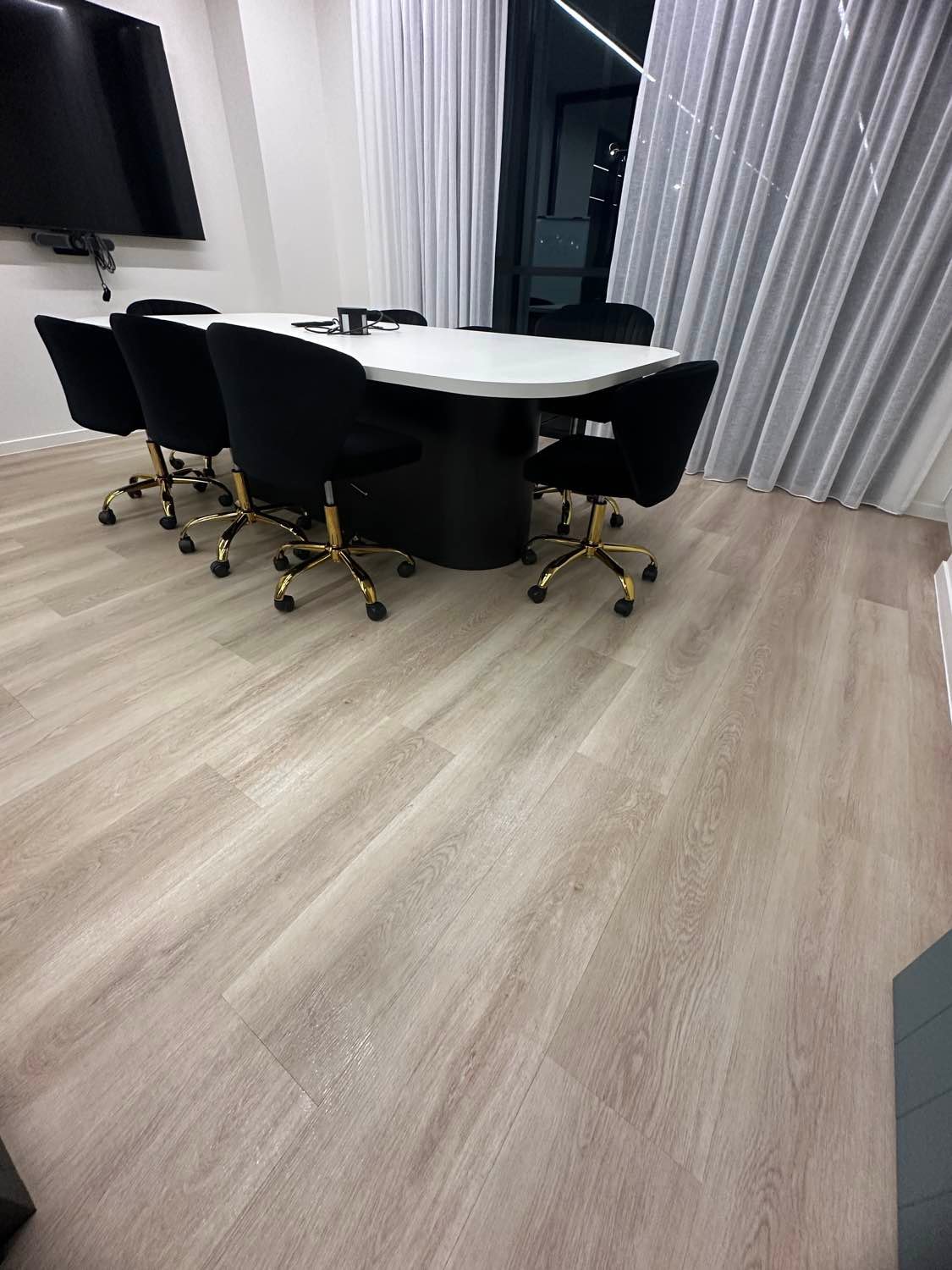
Quick answer: After-hours cleaning suits most offices because the team can reach every desk, floor and kitchen without working around staff. Daytime cleaning suits sites with constant foot traffic, such as medical suites, busy receptions and shared buildings, where washrooms and kitchens need attention while people are there. Many Gold Coast offices use both: a full clean after hours and a short daytime touch-up. Gold Keys schedules cleans around your hours, with a documented checklist and photos after every visit.
When should the cleaners come? It is one of the first questions we ask on a site visit, and the answer changes the scope, the price and the result. Get it wrong and you notice quickly: a vacuum running through a client call, or a kitchen that is spotless at 6pm and a mess by 11am.
There is no single right answer. It depends on how your office is used, who comes through the door and when. Here is how each option works and how to choose.
How after-hours office cleaning works
The team arrives after the office closes, usually in the evening, or early in the morning before the first staff member walks in. They let themselves in with a key, swipe card or alarm code and work through the full scope: workstations, floors, kitchens, washrooms, bins and glass. When staff arrive, the office is ready.
Why it works:
- No disruption to staff, calls or meetings
- Full access to desks, meeting rooms and floors
- Hard floors are mopped and dry before anyone walks on them
- The office starts every day reset
What to manage:
- Access and security, since the team is in the building without you
- Staff working late, who may share the space with the cleaners
- Proof of work, because nobody sees the clean happen
- Issues are only noticed the next morning
How daytime office cleaning works
Daytime cleaning happens while the office is open. It is usually a shorter shift focused on the areas that take the most use during business hours: washrooms, kitchens, reception, meeting rooms between bookings and common areas.
Why it works:
- Washrooms and kitchens stay presentable all day
- Spills and mess are dealt with as they happen
- The team is visible, which reassures clients and staff
- No after-hours access is needed
What to manage:
- Noise, especially vacuuming near people on calls
- Desks cannot be cleaned properly while people are sitting at them
- Some staff find cleaning around them intrusive
After-hours vs daytime cleaning at a glance
| After-hours | Daytime | |
|---|---|---|
| Disruption to staff | None | Some noise and movement |
| Access to desks and meeting rooms | Full | Limited while occupied |
| Washrooms and kitchens during the day | Clean at the start of the day | Kept up throughout the day |
| Access and security | Keys, swipe cards or alarm codes needed | Staff on site to let the team in |
| Visibility to clients | Low | High |
| Best for | Most offices with set business hours | High-traffic sites, receptions and clinics |
Which suits your office?
Here is how we usually match the schedule to the site on the Gold Coast:
- Standard offices with set hours: after-hours, three to five nights a week depending on headcount and use.
- Medical and allied health suites: a full after-hours clean, plus a daytime touch-up of the waiting room and washrooms during clinic hours. We see this often in the medical suites around Robina.
- Shared floors and buildings with common areas: an early-morning clean, so lobbies, lifts and washrooms are ready when the building opens. This suits many of the multi-tenant buildings in the Southport CBD.
- Offices with late or shift-based teams: an early-morning clean, usually before 7am, when the building is empty.
- Client-facing showrooms and receptions: a daytime presence, so the space looks right every time someone walks in.
Many sites end up with a mix. A full clean after hours handles the detail, and a short daytime visit keeps the high-use areas in shape between cleans.
Questions to answer before you set the cleaning times
- When does the last person leave, and when does the first person arrive?
- Which areas cannot be cleaned while occupied, such as the boardroom or a server room?
- Who manages building access, and does your alarm log individual codes?
- Which areas get the heaviest use between 10am and 3pm?
- Does anyone need quiet time for calls, recordings or client meetings?
Bring these answers to the site visit and the right schedule usually becomes obvious. If you share a building, check the building manager’s rules too, as some limit after-hours access or noise. Our article on building access and security covers what to agree with your cleaning team.
How Gold Keys schedules office cleaning
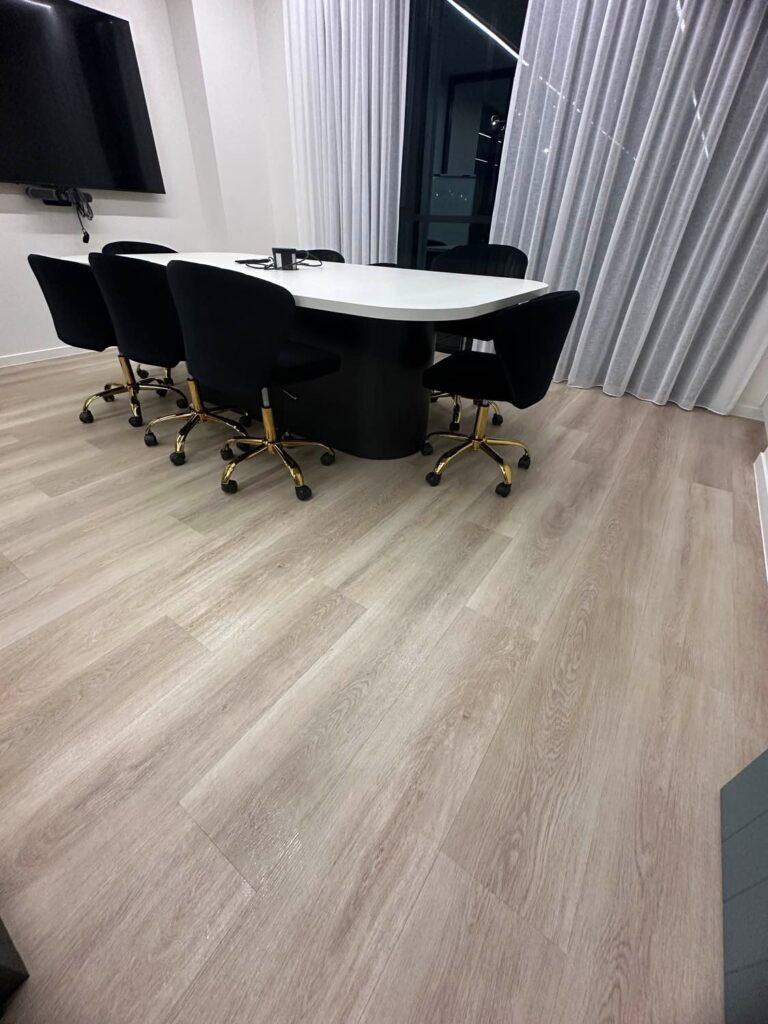
We set the cleaning times on the site visit, not over the phone, because the right schedule depends on how your office is actually used. Whether the clean happens at 7pm or 6am, it is recorded the same way: a documented checklist with photos, so you can see it was done without being there. If you have ever wondered whether your current cleaner turns up, our guide on how to know if your office cleaner is actually doing the job is worth a read.
- Cleans scheduled around your hours: after close, early morning or during the day
- A police-checked, uniformed team that knows your site
- A documented checklist with photos after every clean
- A direct line to the owner and a 24-hour make-good guarantee
- No lock-in contract
See our office cleaning Gold Coast service, read the office cleaning cost guide, check the areas we cover, or call 0468 081 191 to book a free site visit.
Frequently asked questions
What time do office cleaners usually come?
Most after-hours office cleans run in the evening after the office closes, or early in the morning before staff arrive. Daytime cleans run during business hours and focus on washrooms, kitchens, reception and common areas.
Is daytime office cleaning more expensive than after-hours cleaning?
Not necessarily. The price is driven mainly by the hours on site and the scope, so the time of day usually matters less than people expect. Adding a daytime touch-up to an after-hours clean adds hours, so it adds cost.
Can cleaners work while staff are in the office?
Yes. A daytime team works around staff, focusing on washrooms, kitchens, reception and common areas, and leaves noisy jobs such as vacuuming and full desk wipe-downs for quieter times.
How do I know an after-hours clean was actually done?
Ask for proof after every visit: a completed checklist with photos. Gold Keys records a documented checklist with photos after every clean, so you can check the work without being on site.
Written by Fabricio Chaves, founder of Gold Keys Commercial Cleaning. Fab has worked in commercial cleaning on the Gold Coast since 2013, starting on the tools before leading operations teams and founding Gold Keys.